
AI, HI, and a role model
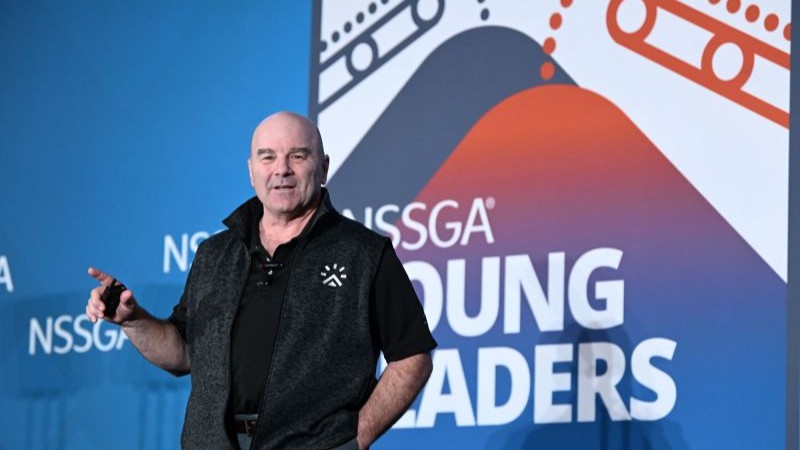
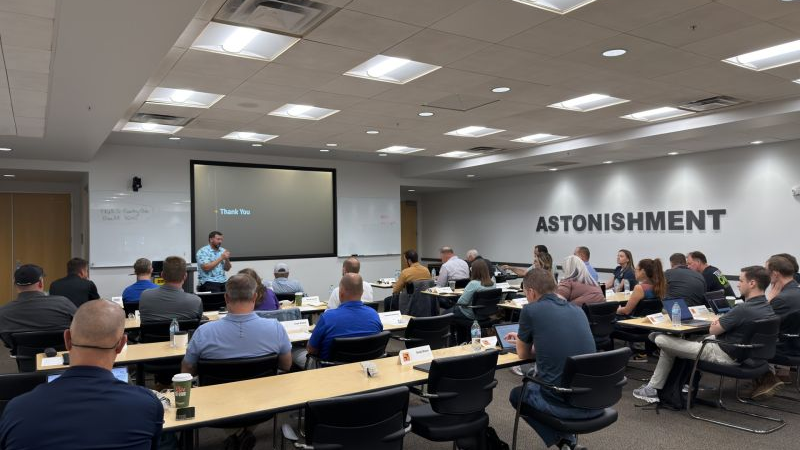
I just invested four days at the National Speakers Association annual convention. If you're in construction, think of it as my version of World of Concrete or CONEXPO. I've attended every year for the past 25 years. I always come home with a few ideas worth thinking about.
This year was no different.
Like every conference these days, AI was everywhere. Every speaker seemed to have another example of how it is changing business, changing the way we work and probably changing the way we change! If you're still waiting to see whether AI is going to matter, I think that question has already been answered.
The more I've used it over the past year, the more ways I've found to use it. Sometimes it's helping me organize ideas. Sometimes it's improving a presentation. Sometimes it's helping me think through a problem from another angle. Used well, it can save a tremendous amount of time. Piece of advice part one: use it. Piece of advice part two: trust and verify.
AI still makes mistakes. That is not a reason to not use it. Sometimes obvious ones, sometimes subtle ones. It has a remarkable ability to sound completely confident while being completely wrong. Never cut and paste without reading carefully. Verify facts. Check sources. Your credibility is still your responsibility.
One of my biggest takeaways had nothing to do with technology or maybe everything to do with technology. It confirmed that human interaction has never been more valuable.
There is still no substitute for sitting across the table from someone. A phone call still carries meaning that an email cannot. Walking a jobsite, having lunch together, listening without looking at your phone. Those things matter more because they are becoming less common.
People often frame it as AI versus Human Interaction (HI). I don't think that's the choice at all. It is not either/or, it is both/and.
Use AI to become more efficient and generate deeper insights. Use human interaction to build trust, influence, and relationships. One helps you get work done. The other helps you lead.
That point became even clearer during one of the most meaningful moments of the week.
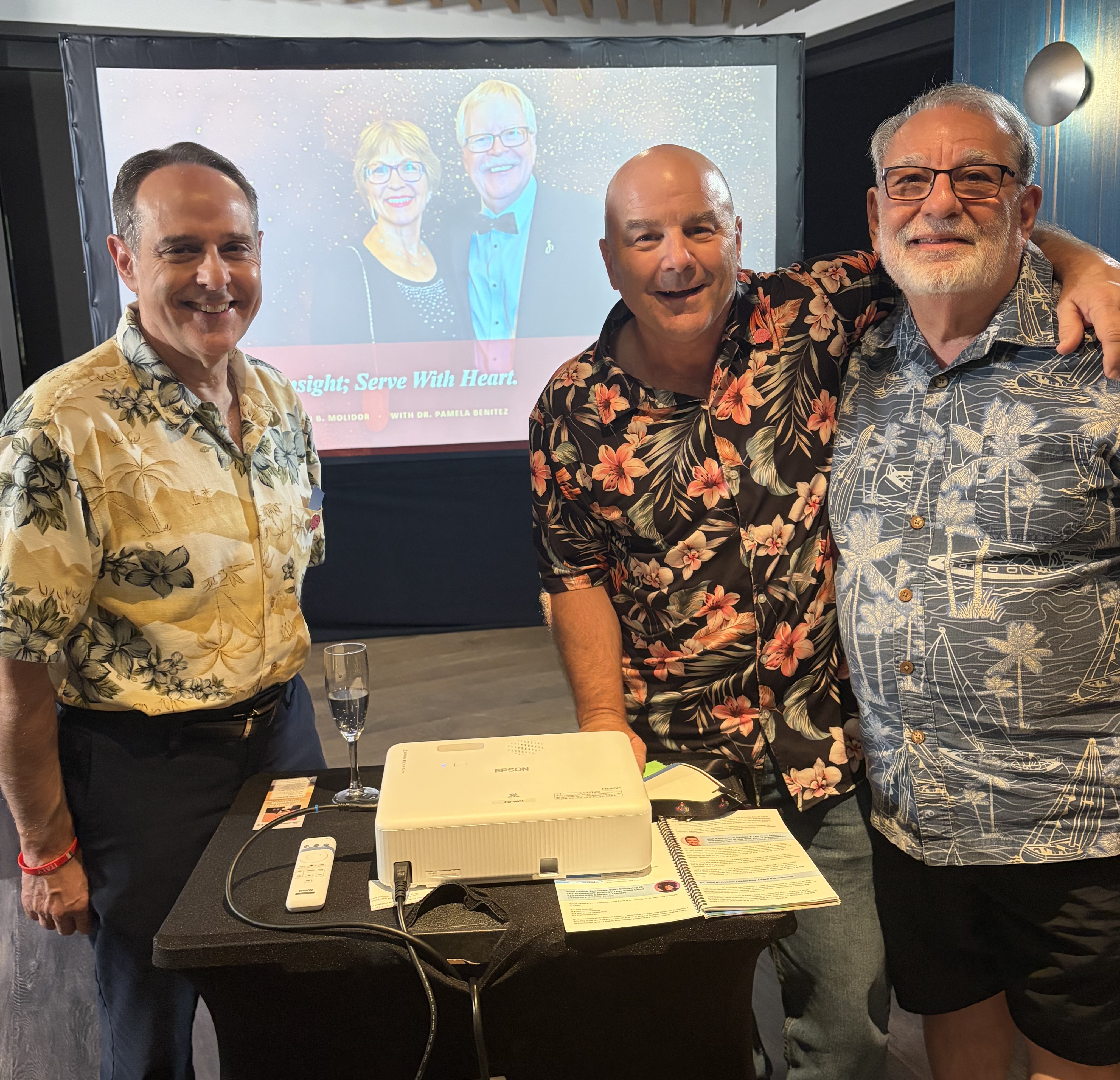
We took time to remember a friend who had recently passed away, Dr. John Molidor. John was brilliant. He held a PhD in Cognitive Psychology and Medical Education and was one of the smartest people I've ever met. But that's not what everyone talked about.
They talked about how he made people feel.
Someone shared three characteristics of people who make others feel significant, and I want to share them with you.
- They remember details about you, accept your flaws, and listen without judgment.
- They make you feel like a priority instead of an afterthought.
- They recognize your feelings as valid, even when they don't completely agree.
As I listened, I realized those aren't just qualities of a good friend. They're qualities of a great leader.
John had that gift. He made people feel like they mattered. I hope you have someone like John in your life. More importantly, I hope each of us becomes that person for someone else.
Read those three statements again and ask yourself a simple question: Would the people I lead say those things about me?
If AI teaches us anything, it's that information is a cheap commodity. What will become increasingly rare and valuable is the ability to make another person feel seen and heard. That's what John Molidor did. Technology will continue to evolve at an incredible pace, but leadership will always be about people.
The future isn't AI or HI. It's learning to use both well.